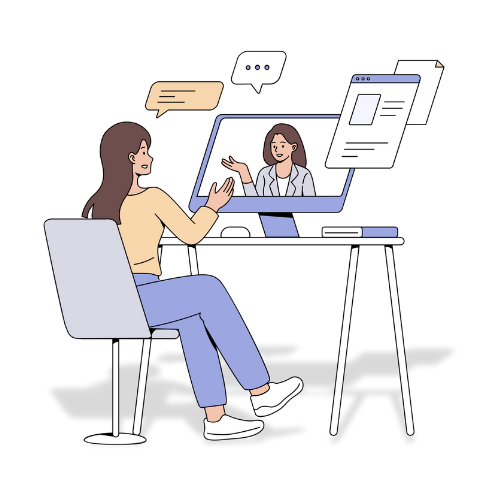
We’ve all had moments when a simple conversation made a difference. A thoughtful check-in, a listening ear, or a reminder that we’re not alone can help strengthen our sense of connection and support.
Each year, World Mental Health Day provides an opportunity to reflect on the role wellbeing plays in our lives and the importance of supporting ourselves and one another.
Why Connection Matters
Connection is an important part of wellbeing. While every person’s experiences and needs are different, meaningful relationships can help us navigate challenges, celebrate successes, and build resilience.
Small actions often have a greater impact than we realize:
- Taking time to check in
- Being present in conversations
- Offering encouragement
- Making space for others to share
Wellbeing Starts With Everyday Moments
Supporting wellbeing doesn’t always require grand gestures. Many opportunities arise through the everyday interactions we have with family, friends, coworkers, classmates, and members of our communities.
Even brief moments of connection can help strengthen relationships and create a sense of belonging.
Try One Small Step
Reach out to someone you’ve been meaning to check in with. Whether it’s a quick message, a phone call, or a conversation over coffee, taking the first step can help strengthen connection.
Resources and Support
Support looks different for everyone. Whether you’re looking to strengthen your own wellbeing, learn ways to support others, or explore available benefits and resources, WSU offers several tools to help.
Wellness and You
Explore healthy habits, wellbeing resources, and information designed to support your overall wellness journey.
Caring for Self and Others
Learn more about resources, benefits, and support options that can help you care for yourself while supporting the wellbeing of those around you.
Employee Assistance Program
The Employee Assistance Program offers confidential resources, webinars, referrals, and tools to support a variety of personal and professional wellbeing needs.
🔗 Learn more about EAP resources → Access Code WSU
Content credit: Carey Musburger, Sr. Assistant, HRS Learning and Organizational Development