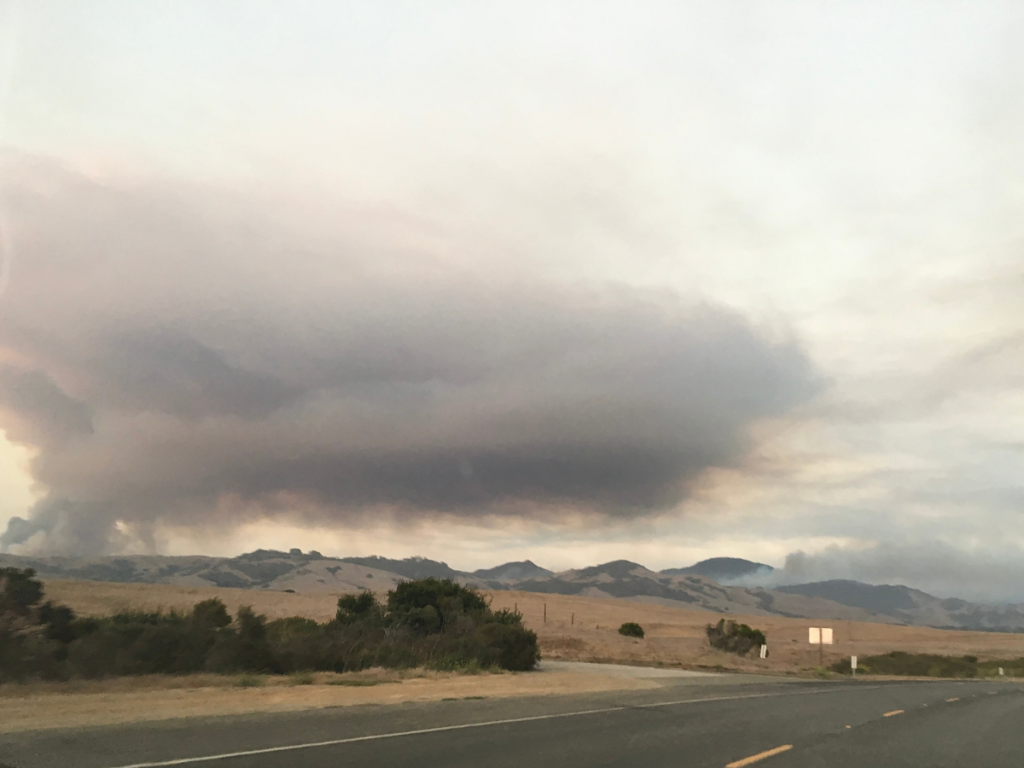
With warmer temperatures, ongoing drought conditions, and an earlier‑than‑usual start to wildfire season across the state, air quality impacts are becoming more likely. Even when fires are not close by, smoke can travel long distances and affect how people feel at work and at home.
If wildfire smoke or poor air quality is impacting you, WSU encourages you to prioritize your health and talk with your supervisor about what options may be available. People experience smoke differently, and what’s manageable for one person may not be for another, especially for individuals with asthma, allergies, heart or lung conditions, or other sensitivities.
In many cases, supervisors and employees can work together to explore temporary adjustments, such as alternate work arrangements, flexible scheduling, or the use of leave through normal processes. When work locations are affected more broadly, such as during a facility closure related to smoke or fire, suspended operations guidance may apply, along with additional direction from the university.
Because conditions can change quickly during wildfire season, employees are encouraged to stay informed by monitoring local conditions and campus communications, including WSU Alerts for their location. These alerts provide timely updates when weather, smoke, or other environmental factors affect campus operations.
For a more detailed overview of available options, including how different employment types may be impacted, Human Resource Services maintains a centralized Wildfire and Air Quality FAQ. It’s a helpful place to start if you have questions or want to understand what resources are available.
Content Credit: Carey Musburger, Sr. Assistant, HRS Learning and Organizational Development