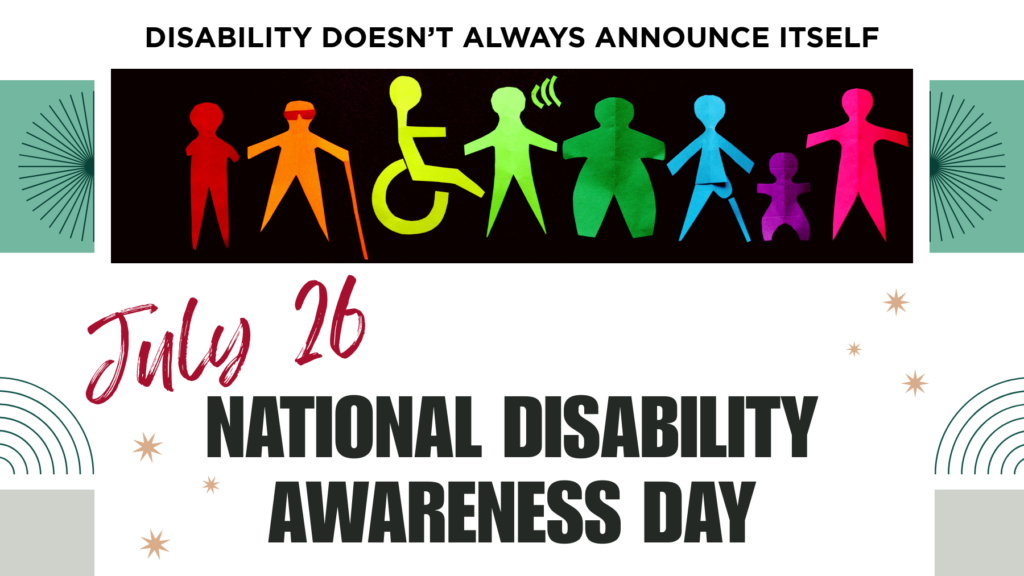
When we think of disability, we often picture what’s visible—mobility aids, service animals, or assistive devices. These are essential tools, and the barriers they help navigate remain all too real, even decades after the ADA. But disability doesn’t always announce itself.
Chronic pain. Mental health conditions. Autoimmune diseases. Neurodivergence. Learning differences. Many people live with disabilities that are not immediately apparent. These invisible conditions can affect focus, stamina, communication, and performance in ways that may be hard to see—but are deeply felt by those who live with them.
And for some employees, the most difficult part isn’t the condition itself—it’s the fear of being misunderstood. Of being judged as less capable. Of feeling pressure to explain or justify their needs.
That’s why support can’t depend on visibility. As professionals, we don’t need to see a diagnosis to lead with empathy. It starts with a simple, meaningful question: What kind of support would make a difference?
Where to Start
Each of us—regardless of our role—can help make our workplaces more inclusive by practicing small, everyday habits:
- Listen without assumptions. Everyone’s experience is different, and not all challenges are obvious.
- Be mindful of language. Avoid labels or comments that may downplay someone’s experience.
- Make space for different working styles. There’s no one “right” way to contribute or communicate.
- Respect boundaries. People may choose not to share personal details—and that’s okay.
- Lead with curiosity, not judgment. A supportive mindset often matters more than a perfect solution.
National Disability Day is a reminder: accessibility isn’t a checklist—it’s an ongoing conversation. By recognizing and supporting both visible and invisible disabilities, we move closer to a workplace where everyone has a fair shot at doing their best work—and being seen for more than their challenges.
Resources
If you’re looking to deepen your understanding, consider exploring the following resources among the many available in Percipio:

Breaking Barriers: Disability Education Towards Social Change is an interactive workshop, facilitated by WSU’s Student Accommodations and Disability Resources team. Helping faculty and staff deepen their understanding of disability, accessibility, and inclusion in higher education through discussion, case studies, and multimedia.
Live Course, 2h

In I’ll Pray for You and Other Outrageous Things Said to Disabled People, Hannah Setzer volunteers to go first and say the things that we all think, but rarely say. Hannah has lived her whole life as a disabled woman and is here to share her story, though don’t think for a second that this is inspiration porn. In fact, Hannah’s disability is the least interesting thing about her!
I’ll Pray for You is full of . . .
- parenting fails,
- awkward stories, like that time Hannah fell down a manhole, and
- fun, eye-opening real-talk from a disabled woman
Audiobook, 5h 28 min.
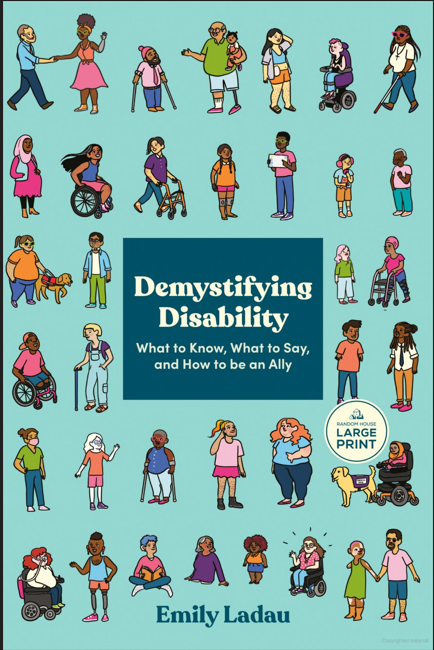
Demystifying Disability by Emily Ladau is an approachable, practical guide to being an informed ally to the disability community. With clear advice on what to say, do, and avoid, it covers essential topics like disability identity, ableism, etiquette, accessibility, and media representation.
Written by a respected disability rights advocate, this handbook helps readers understand disability as a vital part of the human experience—and offers actionable steps to build a more inclusive world.
Book Summary, 8 min.
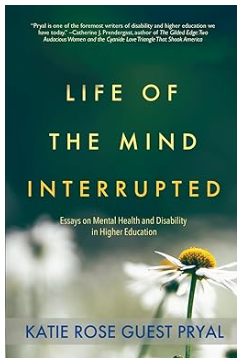
The book Life of the Mind Interrupted: Essays on Mental Health and Disability
With candor and grace, these essays discuss the disclosure of disabilities, accommodations and accessibility, how to be a good abled friend to a disabled person, the trigger warnings debate, and more. While harrowing at times, Pryal’s story is ultimately one of hope. With this memoir, she aims to make higher education—and all of our society—more humane.
Audiobook, 4h 42 min.
Content Credit: Carey Musburger, Sr. Assistant, HRS Learning and Organizational Development